HOLD / BREACH / UNLOGGED
Every stated rule lands in a bucket: enforced by something that runs, stated with nothing behind it, or a gate running that no written rule covers.
Check the hull before you trust the air.
Test coverage told a generation of engineers whether their code runs. Nothing told them whether their policy runs. hullcheck reads the rules a repository states, finds the gates that actually execute in CI, hooks, Makefiles and checker scripts, and reports every rule with nothing behind it. Declare the links and it proves them: a gate that passes while its rule is broken is FAKE. Built for Spaceship Alpha 9's own monorepo, where on day one it read 47% coverage and a Time-to-Truth of never. Apache-2.0, written in Go.
Open source — Apache-2.0, written in Go
Five verdicts: HOLD, BREACH, UNLOGGED, FAKE, BROKEN
Time-to-Truth: how long before a breach actually surfaces
Dogfooded on a 7,000-file monorepo: 9 defects found and fixed in one night
Manual processes and outdated utilities drain engineering time that should be spent on real problems.
Test coverage told a generation of engineers whether their code runs. Nothing told them whether their policy runs. hullcheck reads the rules a repository states, finds the gates that actually execute in CI, hooks, Makefiles and checker scripts, and reports every rule with nothing behind it. Declare the links and it proves them: a gate that passes while its rule is broken is FAKE. Built for Spaceship Alpha 9's own monorepo, where on day one it read 47% coverage and a Time-to-Truth of never. Apache-2.0, written in Go.
Purpose-built capabilities engineered to deliver on every promise.
Every stated rule lands in a bucket: enforced by something that runs, stated with nothing behind it, or a gate running that no written rule covers.
Declare which gate guards which rule, give it a fixture that breaks the rule, and hullcheck proves the gate fails. A gate that passes anyway is FAKE; one that fails either way is BROKEN.
p50, p90 and worst case for how long a breach takes to surface. A gate that only runs nightly is not the same as one on the pull request, and a manual checker is never.
hullcheck diff reports the rules left unenforced since a baseline, and go test assertions fail on new breaches only, so a repo can carry known gaps without letting new ones in.
Clauses are judged by their whole block, an explicit Gate: line counts on its own, and --clauses prints every numbered clause it saw and did not count.
One binary, no daemon, no account. Reads the repo it is pointed at and prints a reading.
The full source lives on GitHub under the Apache-2.0 license. No license fees, no lock-in, no sales team. Read it, run it, fork it — and if it breaks, file an issue and watch it get fixed in the open.
$ git clone https://github.com/space-pirate-zero/hullcheck.gitApache-2.0 licensed · star it, fork it, ship it
hullcheck is open source. The first thing it found was us.
Greg Chambers ·
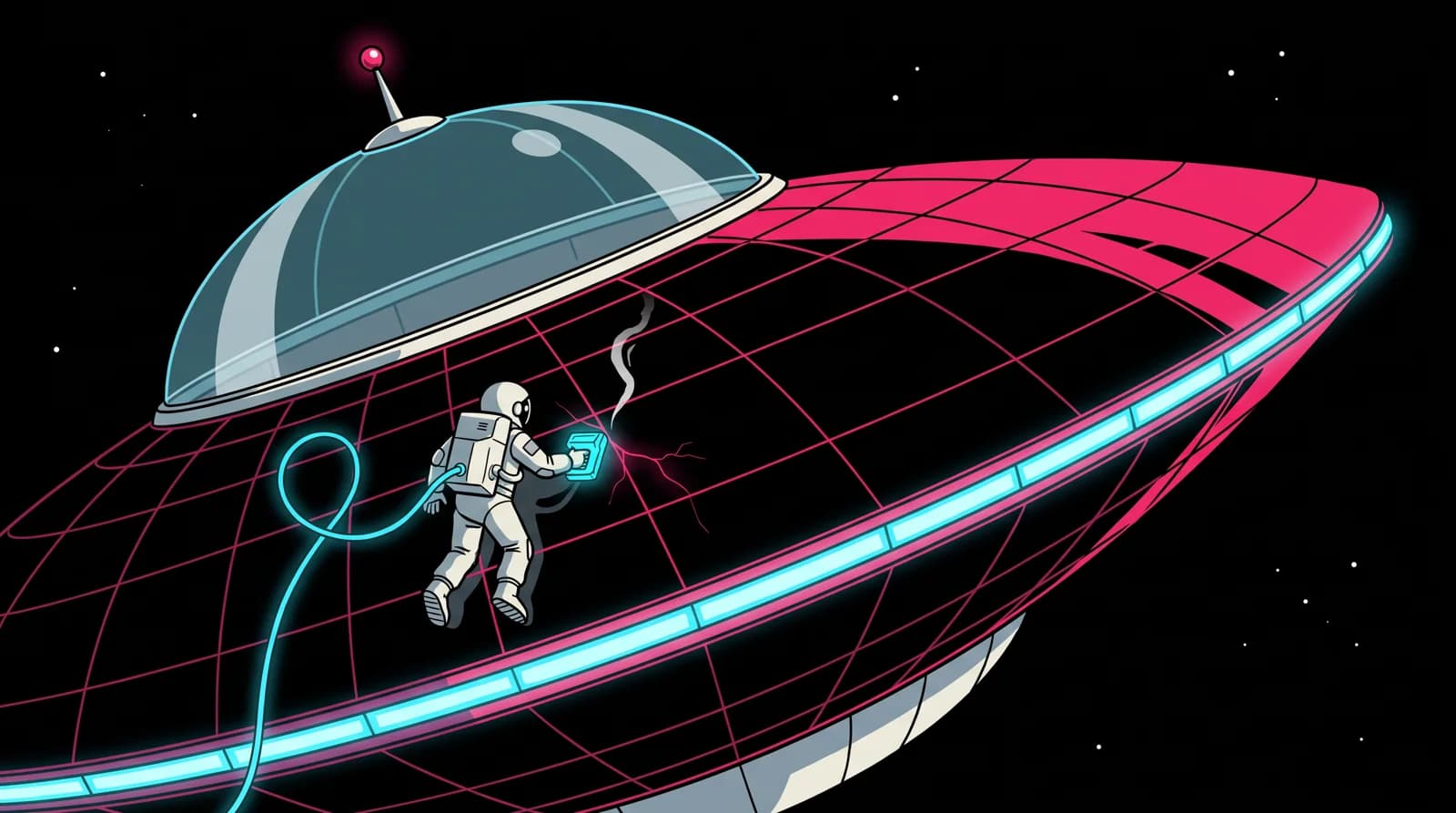
Ours is called RULES.md and it is long. It says the palette is exactly four hexes. It says there is one spaceship and you do not draw a second one. It says every piece of art records where it came from. It says nobody deploys without a go.
Nice rules. Firm tone. Here is the question nobody asks about a rules file: what actually runs when one of them gets broken? For most rules in most repos the honest answer is nothing. The rule sits there in bold, looking sealed, and the first hard signal that it failed is the one you can't act on anymore.
So we built a tool that asks the question for you, pointed it at our own studio, and open-sourced it. The tool's first real customer was us, and we did not pass.
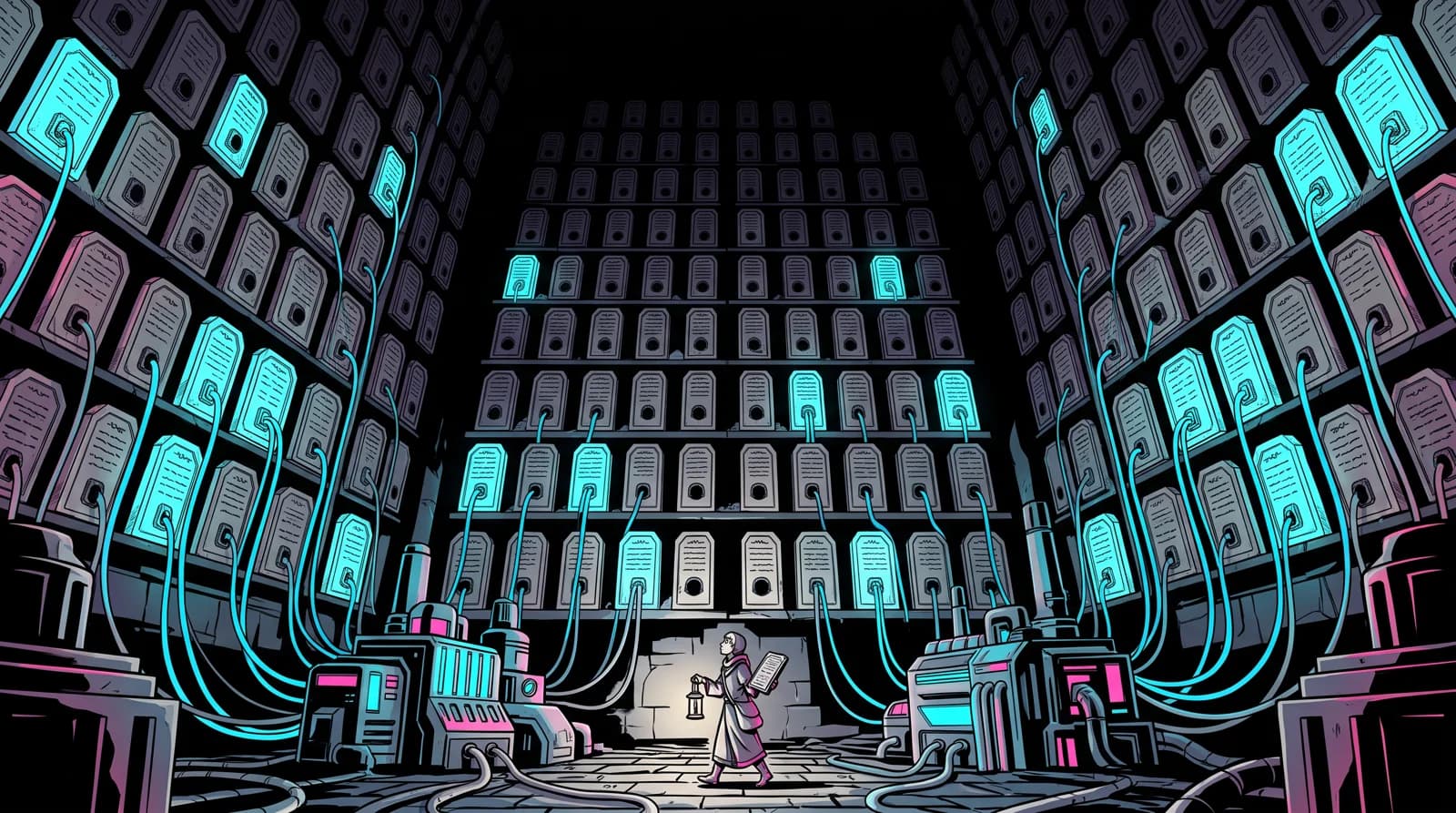
Spaceship Alpha 9 is a two-person studio that runs like a small fleet: books, audio dramas, a daily news show, an album, a merch shop and a dozen websites in one monorepo, with dozens of branches open at once and master moving several times a day. A lot of that work gets drafted at machine speed.
Machine speed removed the rate limiter on writing code. It did not remove the need to check it. A rule that only lives in prose is a rule that gets skipped the first busy Tuesday. Our own essay, The Living Codebase, put it in one line: a rule that cannot execute is a wish. hullcheck is that sentence, compiled.
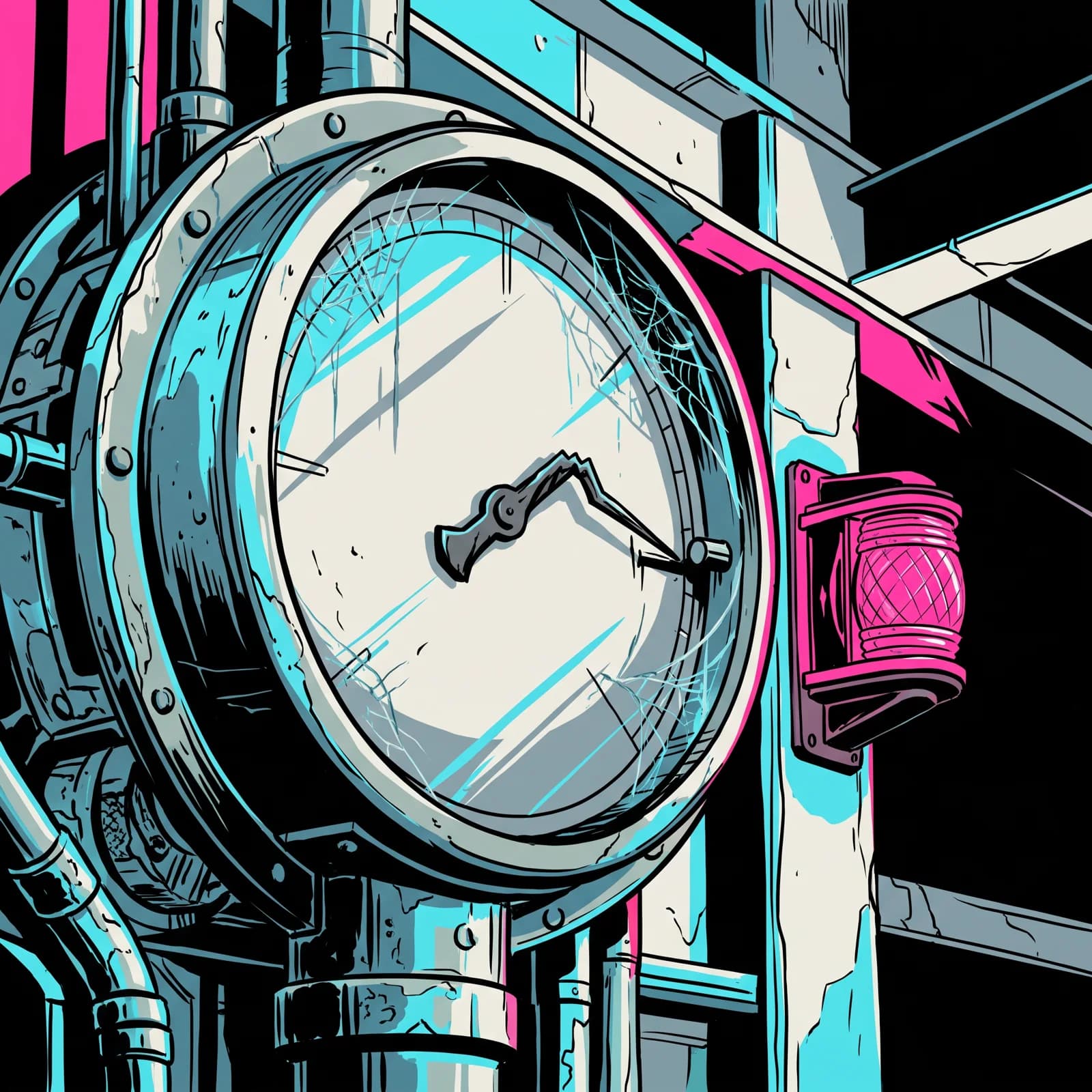
The first reading, on 6 September, said 47% gate coverage. The real finding was the Time-to-Truth column: never, for every single rule. The repo had 201 checker scripts and every one was manual. There was no CI in the studio repo at all.
Even the 47% was generous. The matcher credited a gate to a rule on one shared word, including words in the gate's file path, and in a monorepo a path is a bag of topics. Our voice-ID rule scored HOLD against every brand checker in the tree on the word “brand”. Nothing checked voice IDs.
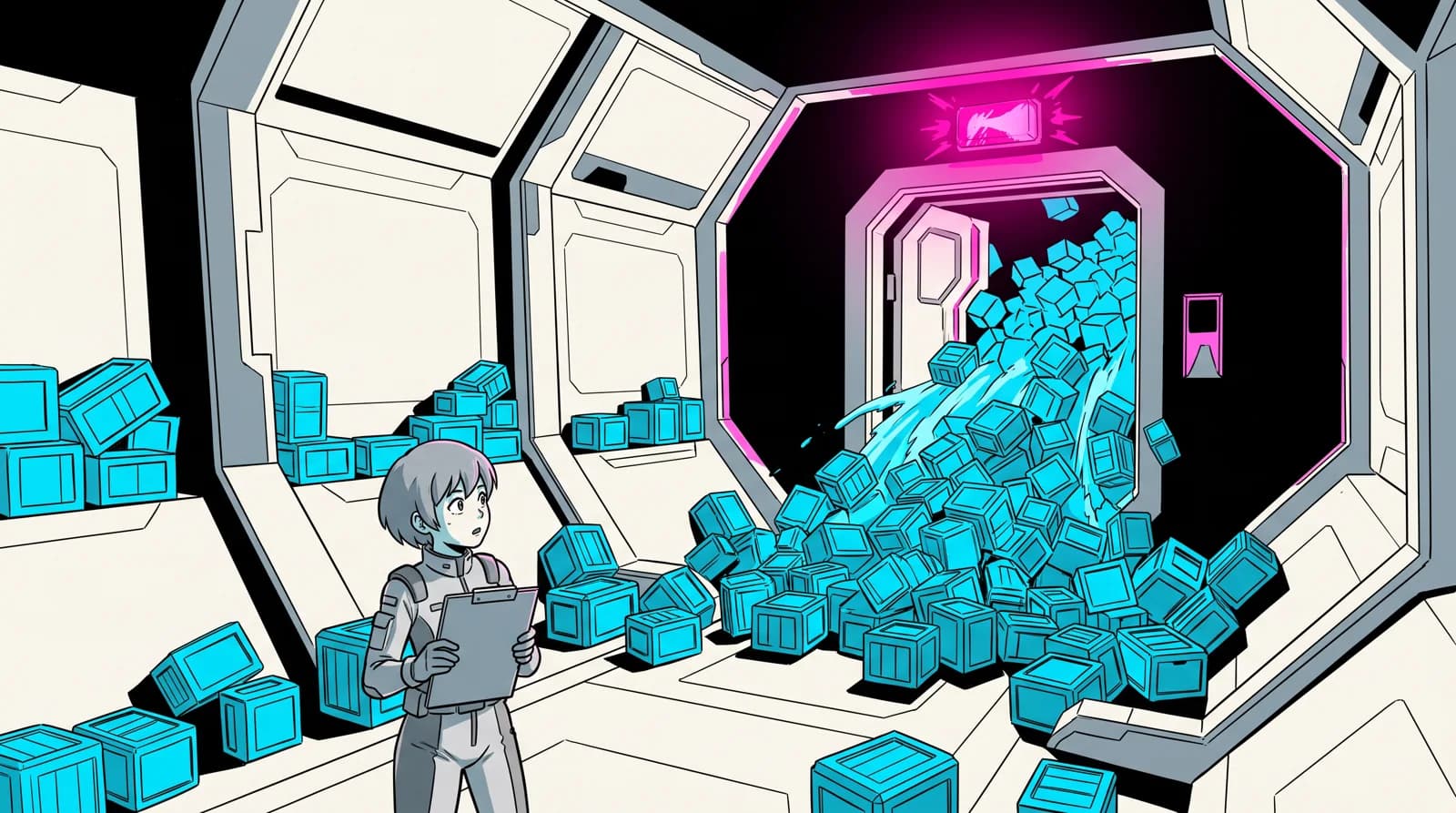
A merged pull request landed more than five hundred files of a Python virtual environment on master. .venv/ was in .gitignore the whole time; the rule said keep build junk out of git; nothing ran on it. It went from BREACH to HOLD the same day, and check_git_hygiene.py now blocks the whole class.
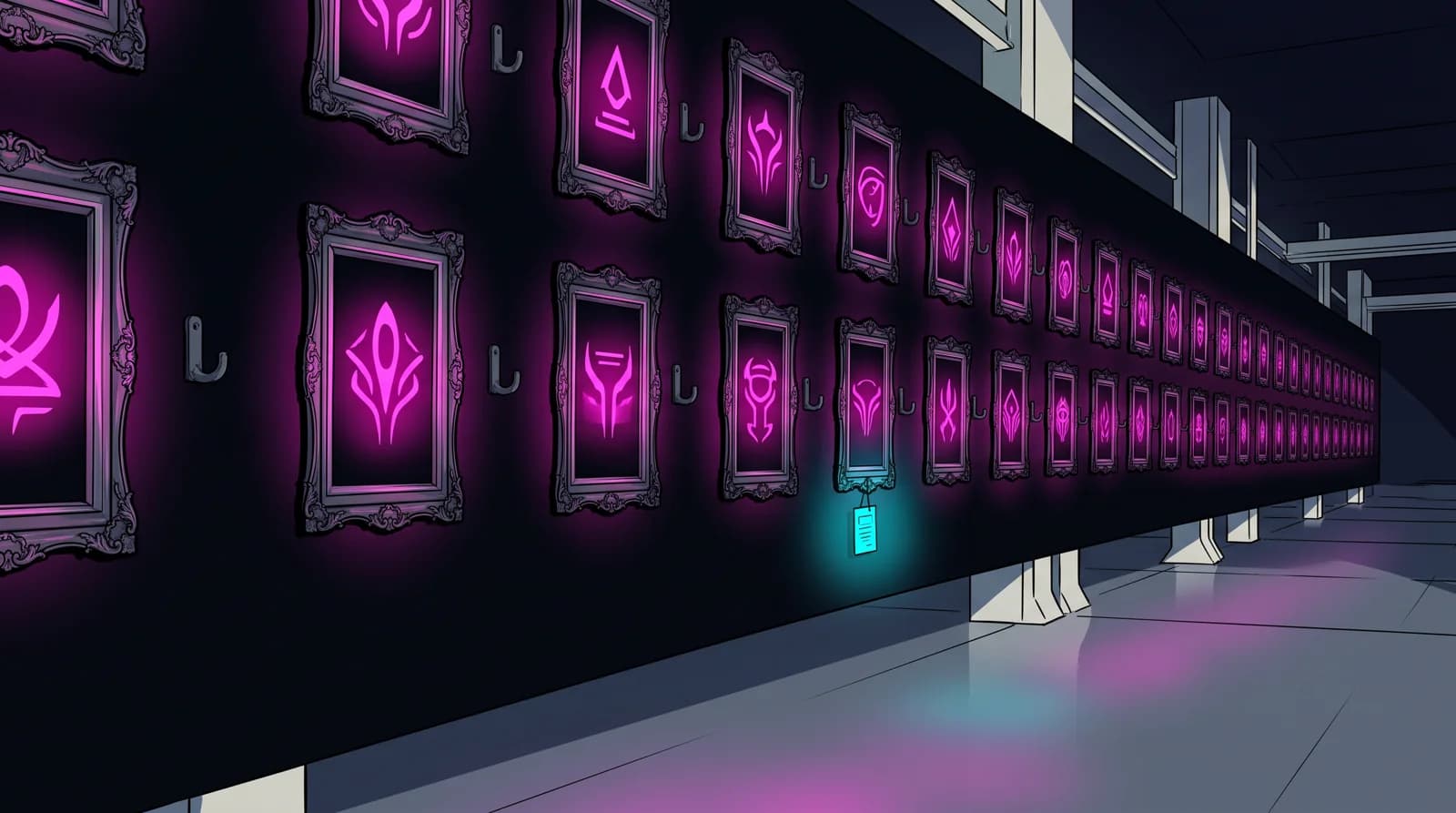
Our rules say every asset records its provenance: a small sidecar beside it saying what made it, from what prompt, under what licence. The provenance audit went looking. The merch folder held 94 master artworks and exactly one sidecar. The pipeline had been shipping art without receipts, and nobody knew, because nothing counted.
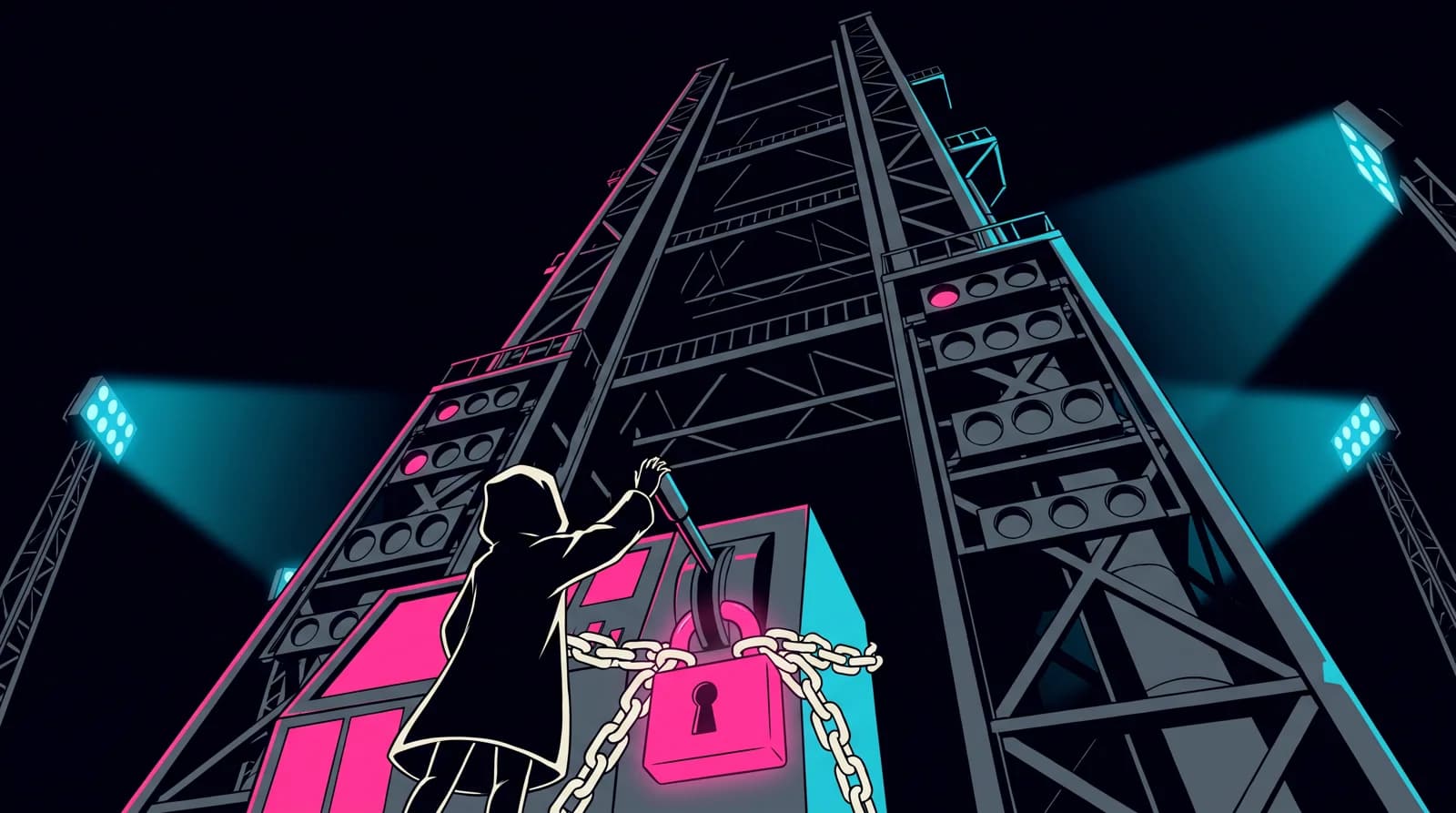
So we added the studio's first ever workflow. It died at zero seconds, every time, and each cause hid the next. The @v1 it pointed at had never been tagged. Fixed, the ratchet would still have failed every PR: it unpacks the base revision with git archive under a 60-second timeout, and our 3.47 GB tree took 169 seconds. A .gitattributes that skips media for git archive took it to 60 MB and 4 seconds. Under both sat an account billing lock, which on a private repo looks exactly like a broken workflow file.
A gate that has never run is a BREACH wearing a HOLD costume. The tool caught it in its own wiring.
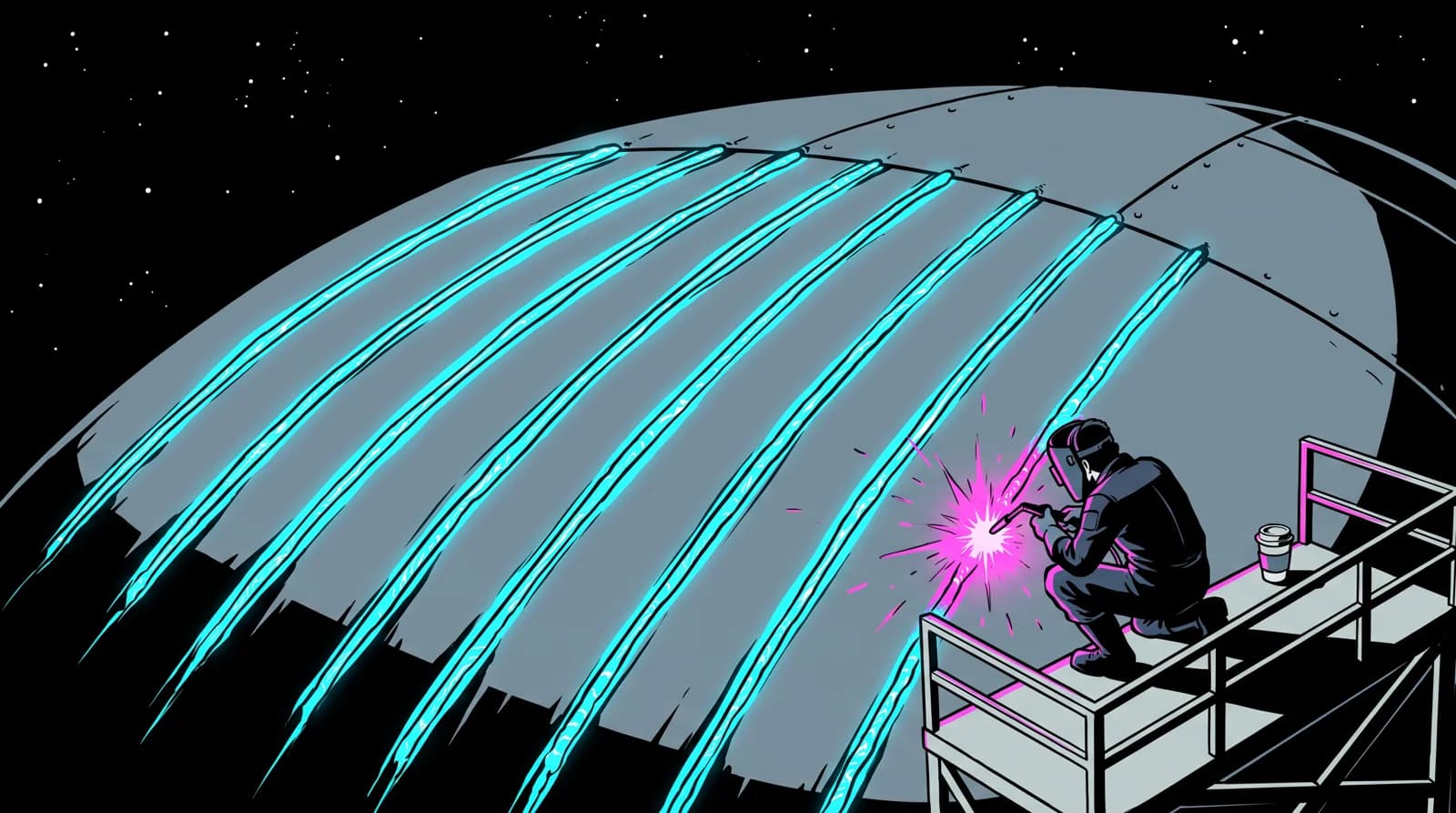
A 7,000-file creative monorepo is a stress test no toy repo gives you. We filed every place hullcheck lied to us as an issue upstream: nine of them. Directories no longer count as evidence. A clause is judged by its whole block, so rules written as declarative headlines stop being invisible (it had seen 2 of the 12 rules in our operations section). Rules are addressed by document and ID, so one entry can't flip a second studio's rule. Verify mode's scratch copy is gitignore-aware and refuses when it's too big, instead of trying to copy 241 GB per rule.
All nine landed on 7 September, between half two and four in the morning.
Within eight days, rules that had been wishes got something that runs: build junk out of git, deploys only from origin/master, no giant media forced past .gitignore, the cast only on registered voices, every render updating its operator doc, and provenance as a ratchet so the backlog only shrinks. Git hooks put the gates before the commit, so Time-to-Truth went from never to seconds.
On 14 September the studio cut its first release, studio-v1.0.0. The first release check refused to tag: it had found a real canon defect in one of the books.
Today's reading finds 83 rules where the old build found 38, and coverage still went up, to 64%. The tool learned to read, the denominator more than doubled, and the studio holds more of it. The 30 breaches left are a list with names on it. You can't fix a wish you can't see.
83 rules found in 4 policy documents
316 gates found in CI, hooks and checker scripts

HOLD        53   rule has a gate, and something runs
BREACH      30   stated, nothing runs on it
UNLOGGED   132   a gate runs, enforcing nothing anyone wrote down

Gate Coverage 64%A rule that cannot execute is a wish. hullcheck is the difference between a policy document and a policy.
hullcheck is open source — the code is already yours. Drop your email for release notes, roadmap drops, and breaking-change warnings.
The open-source VM manager that makes Docker Desktop look expensive.
Open-source macOS VM orchestration using Apple's Virtualization.framework. MIT-licensed on GitHub, with 89 MCP tools for AI automation, Bonjour mesh networking, and sub-100ms snapshots.
They watch everything. Now you watch back.
Counter-surveillance: 85+ tools, 12 domains. RF analysis, IMSI detection, encrypted mesh, evidence preservation. Zero-knowledge.